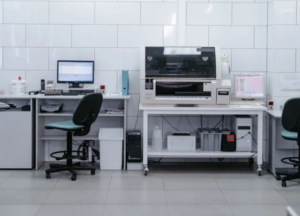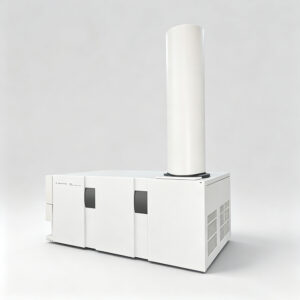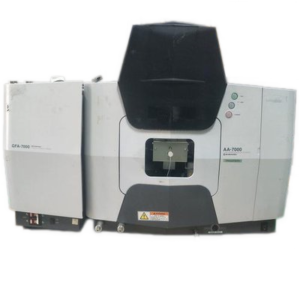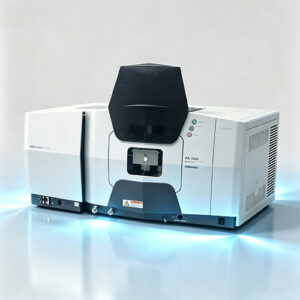

Are you looking for a used laboratory gas chromatograph for sale at a competitive price? Purchasing a pre-owned gas chromatography (GC) system can be a practical solution for laboratories, research institutions, universities, and industrial testing facilities that need reliable analytical equipment while managing their budgets.
A laboratory gas chromatograph is an essential analytical instrument used to separate, identify, and measure volatile compounds in complex samples. Whether your laboratory performs chemical analysis, environmental testing, food quality control, pharmaceutical research, or petrochemical analysis, choosing the right GC system is important for achieving consistent analytical results.
A quality used gas chromatograph can help laboratories expand their testing capabilities without the higher investment required for brand-new equipment.
Why Buy a Used Laboratory Gas Chromatograph?
New analytical instruments can require a significant capital investment. For laboratories with limited budgets or specific testing requirements, a second-hand gas chromatograph may offer an attractive alternative.
Here are several reasons to consider purchasing pre-owned laboratory GC equipment.
1. Lower Initial Investment
One of the biggest advantages of buying a used laboratory gas chromatograph is the potential cost savings.
Pre-owned equipment is often available at a lower purchase price than comparable new systems. This allows laboratories to allocate more of their budgets to columns, consumables, sample preparation equipment, and other laboratory necessities.
2. Access to Established Instrument Platforms
Many established GC systems are widely used in analytical laboratories. Purchasing a pre-owned instrument from a recognized manufacturer may provide access to a familiar operating platform and established analytical methods.
Depending on the model and configuration, used GC systems may also support existing laboratory workflows.
3. Suitable for Different Laboratory Applications
A used gas chromatograph can support various analytical tasks, depending on its detector, column configuration, inlet system, software, and overall condition.
It may be suitable for routine quality control, research projects, educational laboratories, and specialized chemical testing.
4. More Flexible Equipment Purchasing
Buying second-hand laboratory equipment can make it easier to acquire additional instruments or establish a new analytical testing capability.
Instead of investing the entire budget in one new instrument, laboratories may be able to consider multiple pre-owned systems that meet their specific requirements.
Common Applications of Laboratory Gas Chromatographs
Gas chromatography is widely used in laboratories that need to analyze volatile and semi-volatile compounds.
Common applications include:
Environmental Analysis
GC systems are used in environmental laboratories to analyze certain volatile organic compounds and other target substances in air, water, and soil samples. The appropriate instrument configuration depends on the analytical method and target compounds.
Food and Beverage Testing
Gas chromatography can be used to analyze flavor compounds, aroma components, residual solvents, and selected contaminants in food and beverage products.
Pharmaceutical Research
In pharmaceutical laboratories, GC instruments may be used for residual solvent analysis, raw material testing, and other applications requiring the separation of volatile compounds.
Petrochemical Analysis
GC systems are commonly applied to hydrocarbon analysis, fuel testing, gas composition analysis, and quality control in the petroleum and chemical industries.
Chemical Research and Education
Universities and research institutions use gas chromatographs for chemical separation experiments, method development, compound identification, and student training.
Types of Used Laboratory Gas Chromatographs
Before purchasing a second-hand GC instrument, it is important to understand the main system configurations.
GC with FID Detector
<em>Flame Ionization Detector (FID)</em> systems are widely used for analyzing many organic compounds, particularly hydrocarbons.
They are commonly found in chemical, petrochemical, environmental, and industrial laboratories.
GC with TCD Detector
<em>Thermal Conductivity Detector (TCD)</em> systems are often used for gas analysis and the detection of compounds that produce measurable thermal conductivity differences.
They may be suitable for certain permanent gas and inorganic gas applications, depending on the configuration.
GC with ECD Detector
<em>Electron Capture Detector (ECD)</em> systems are particularly useful for detecting certain electronegative compounds, including some halogen-containing substances.
They are often associated with specific environmental and chemical testing applications.
GC-MS Systems
Gas Chromatography-Mass Spectrometry (GC-MS) combines chromatographic separation with mass spectrometric detection.
Compared with a conventional GC system, GC-MS can provide additional information for compound identification and qualitative or quantitative analysis.
The best configuration depends on your laboratory’s analytical methods, sample types, and detection requirements.
What to Check Before Buying a Second Hand Laboratory GC
Buying used analytical equipment requires careful evaluation. A lower purchase price is only beneficial when the instrument is suitable for its intended application.
Consider the following points before making a purchase.
1. Manufacturer and Model
Check the manufacturer, model number, manufacturing generation, and instrument specifications.
Established brands such as Agilent, Shimadzu, Thermo Fisher Scientific, and PerkinElmer offer different GC platforms and configurations.
Make sure the selected model meets your laboratory’s technical requirements.
2. Detector Configuration
The detector is one of the most important factors when selecting a gas chromatograph.
Confirm whether the system includes FID, TCD, ECD, MS, or another detector. Each detector has different analytical capabilities and limitations.
3. Inlet and Column Configuration
Review the inlet type, column compatibility, oven specifications, and available accessories.
Your selected system should be compatible with the analytical methods and sample types used in your laboratory.
4. Instrument Condition
Ask the seller for detailed information about the instrument’s condition.
Where available, request photographs, operating videos, maintenance history, error reports, and recent performance test results.
You should also confirm whether the instrument has been powered on and tested.
5. Software and Computer Compatibility
Software availability is an important consideration when buying used laboratory GC equipment.
Confirm the software version, computer requirements, operating system compatibility, license status, and availability of installation media.
Also check whether the required communication cables and interface components are included.
6. Accessories and Included Components
A used GC system may be offered with different accessories and configurations.
Ask whether the purchase includes:
- Autosampler
- Injection port components
- Detectors and associated accessories
- GC columns
- Gas regulators and connection accessories
- Computer and operating software
- Manuals and documentation
- Additional spare parts
Always confirm the actual contents of the quotation before placing an order.
Used vs. New Laboratory Gas Chromatograph
Choosing between a new and used gas chromatograph depends on your budget, analytical requirements, and expected instrument usage.
| Purchasing factor | Used GC | New GC |
|---|---|---|
| Initial cost | Generally lower | Generally higher |
| Availability | Depends on stock | Depends on manufacturer |
| Instrument generation | May be an older model | Usually current generation |
| Configuration | Depends on available unit | Can often be configured |
| Warranty | Must be confirmed | Usually offered under manufacturer terms |
| Technical support | Depends on seller and model | Manufacturer support may be available |
A pre-owned system may be suitable for laboratories that prioritize budget efficiency and do not require the latest instrument generation.
However, laboratories with strict compliance requirements or specialized analytical methods should carefully evaluate the suitability of any used instrument before purchasing.
How to Choose the Right Used GC for Your Laboratory
The best way to select a laboratory gas chromatograph is to begin with your analytical requirements rather than the equipment price alone.
Before requesting a quotation, consider these questions:
- What compounds do you need to analyze?
- What types of samples will you test?
- Which detector do your analytical methods require?
- Do you need an autosampler?
- Are you using an existing GC column or analytical method?
- Does the instrument need to integrate with your current laboratory software?
- What is your available purchasing budget?
Providing these details to the equipment supplier can help narrow down suitable models and configurations.
Find a Used Laboratory Gas Chromatograph for Sale
If you are searching for a used laboratory gas chromatograph for sale, choosing an experienced laboratory equipment supplier can make the purchasing process more straightforward.
When contacting a supplier, provide your preferred manufacturer, model, detector configuration, application, and budget.
You should also request available equipment photographs, technical specifications, condition details, and a clear list of included accessories.
Depending on availability, you may be able to find pre-owned GC systems from manufacturers such as Agilent, Shimadzu, Thermo Fisher Scientific, and PerkinElmer.
The availability and condition of each instrument should be confirmed individually before purchase.
Frequently Asked Questions
Q1: Is a used laboratory gas chromatograph worth buying?
A used GC can be a cost-effective option when the instrument is in suitable condition and meets your analytical requirements. Always review its configuration, operating condition, software compatibility, and available service support.
Q2: Which brands are available in the second-hand GC market?
Commonly encountered manufacturers include Agilent, Shimadzu, Thermo Fisher Scientific, and PerkinElmer. Specific models and configurations depend on market availability.
Q3: Can a used gas chromatograph be used for routine laboratory testing?
Potentially, yes. Suitability depends on the instrument’s condition, performance, configuration, analytical method, and any applicable laboratory quality requirements. Appropriate installation, performance verification, and method validation may be necessary.
Q4: What information should I request before purchasing?
Ask for the model number, detector configuration, instrument condition, software details, included accessories, available testing records, and warranty or after-sales terms.
Q5: Can I purchase a used GC with an autosampler?
Some pre-owned GC systems are available with autosamplers. Confirm the exact configuration and compatibility with the instrument before ordering.
Contact Us for Used Laboratory Gas Chromatograph Options
Looking for a reliable and affordable used laboratory gas chromatograph?
Contact us with your preferred brand, model, detector type, application, and purchasing requirements. We can discuss available equipment options and provide further details for your evaluation.
Whether you need a conventional GC-FID system, a GC-TCD instrument, or a GC-MS configuration, selecting the right equipment starts with understanding your laboratory’s analytical needs.
Send us your inquiry today to explore suitable second-hand laboratory gas chromatograph options.