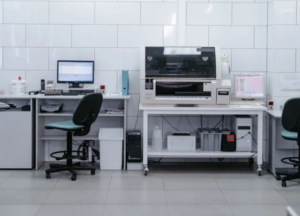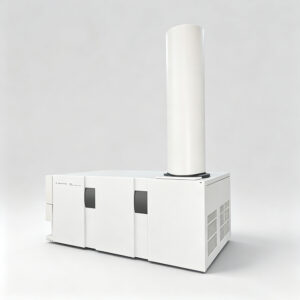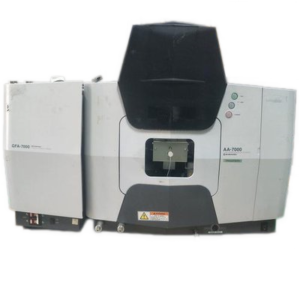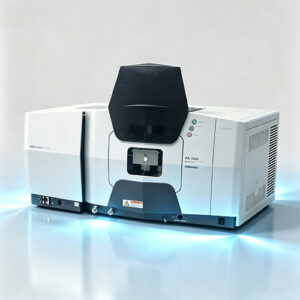

Are you looking for a used gas chromatograph for chemical analysis at a competitive price? Gas chromatography (GC) is an important analytical technique used by chemical laboratories, industrial manufacturers, research institutions, and quality control departments.
A gas chromatograph helps separate and analyze volatile compounds in complex samples. It is widely used in chemical testing, petrochemical analysis, pharmaceutical research, environmental monitoring, food testing, and industrial quality control.
For laboratories that need reliable analytical equipment without investing in a brand-new instrument, purchasing a second-hand gas chromatograph can be a cost-effective option.
This article explains how used GC equipment can support chemical analysis, which instrument configurations are available, and what buyers should consider before purchasing.
Why Is Gas Chromatography Important in Chemical Analysis?
Chemical samples often contain multiple compounds that need to be separated and analyzed individually.
Gas chromatography uses a mobile gas phase to carry sample components through a chromatographic column. Different compounds interact with the column differently, resulting in separation before detection.
Depending on the instrument configuration and analytical method, GC can be used for:
- Identifying volatile organic compounds
- Measuring selected chemical components
- Analyzing solvents and residual solvents
- Testing hydrocarbon mixtures
- Monitoring chemical purity
- Performing industrial quality control
- Supporting chemical research and development
The choice of GC instrument depends on the sample properties, target compounds, required detection limits, and analytical method.
Advantages of Buying a Used Gas Chromatograph
Purchasing a used gas chromatograph can offer several advantages for laboratories with specific equipment budgets.
1. Reduce Laboratory Equipment Costs
New analytical instruments can require a substantial investment.
A second-hand gas chromatograph may be available at a lower price, allowing laboratories to establish or expand their analytical capabilities while keeping equipment expenses under control.
The remaining budget can be allocated to consumables, columns, sample preparation equipment, and other laboratory requirements.
2. Access Established Analytical Technology
Many laboratories already use established GC platforms for routine testing and research.
Purchasing a pre-owned instrument from a recognized manufacturer may help laboratories maintain familiar workflows, provided that the model, software, and configuration are compatible with their existing methods.
3. Support Different Chemical Testing Applications
Used GC systems are available in different configurations, including various detectors, inlets, autosamplers, and column arrangements.
This allows buyers to compare different instruments according to their analytical needs.
4. Expand Existing Laboratory Capacity
A second-hand GC can be considered when a laboratory needs an additional instrument for routine analysis, method development, research projects, or backup testing.
It may also be an option for universities and training laboratories that need practical analytical equipment.
Common Chemical Analysis Applications of Gas Chromatographs
Gas chromatography is used in many areas of chemical analysis. Below are some common applications.
1. Organic Compound Analysis
GC is widely used for analyzing many volatile and semi-volatile organic compounds, depending on their properties and the selected method.
It can help laboratories separate and measure individual components in complex organic mixtures.
Typical applications include:
- Solvent analysis
- Organic chemical purity testing
- Volatile compound analysis
- Chemical product quality control
- Research into organic compounds
2. Petrochemical and Hydrocarbon Analysis
Petrochemical laboratories use GC for various hydrocarbon analysis applications.
Depending on the detector and system configuration, GC can support testing of fuel components, petroleum products, gas mixtures, and other hydrocarbon samples.
3. Residual Solvent Analysis
Some pharmaceutical and chemical manufacturing processes use organic solvents.
Gas chromatography can be used to determine selected residual solvents in products and materials when the instrument and analytical method meet the relevant requirements.
4. Chemical Raw Material Testing
Manufacturers may use GC systems to evaluate selected chemical raw materials and monitor product consistency.
The technique can support routine quality control and help identify changes in sample composition.
5. Research and Method Development
Universities, research centers, and industrial laboratories use GC instruments to develop analytical methods, investigate chemical compounds, and study sample composition.
A suitable used GC may provide an economical instrument option for research projects.
Which Detector Should You Choose for Chemical Analysis?
The detector is one of the most important components of a gas chromatograph. Different detectors respond to different compound properties.
Before purchasing a used GC, make sure its detector matches your intended application.
GC-FID: Flame Ionization Detector
<em>GC-FID</em> is commonly used for analyzing many organic compounds, especially hydrocarbons.
Typical applications include:
- Organic solvent analysis
- Hydrocarbon analysis
- Fuel testing
- Chemical purity analysis
- Industrial quality control
FID is a common detector choice for laboratories conducting routine organic compound analysis.
GC-TCD: Thermal Conductivity Detector
<em>GC-TCD</em> detects differences in thermal conductivity between the carrier gas and sample components.
It is used in various gas analysis applications, including selected permanent gas analyses.
GC-ECD: Electron Capture Detector
<em>GC-ECD</em> is particularly sensitive to certain electronegative compounds.
It may be suitable for specialized applications involving selected halogenated compounds and environmental contaminants.
GC-MS: Gas Chromatography-Mass Spectrometry
<em>GC-MS</em> combines chromatographic separation with mass spectrometric detection.
It provides additional information that can support compound identification and quantitative analysis.
GC-MS is widely used in chemical research, environmental testing, pharmaceutical laboratories, and forensic applications.
Popular Used Gas Chromatograph Brands
Laboratories searching for second-hand gas chromatography equipment often compare instruments from several established manufacturers.
Used Agilent Gas Chromatograph
<escape>Agilent</escape> GC systems are used in analytical laboratories across many industries.
When considering a used Agilent GC, check the model, detector configuration, software compatibility, inlet system, and included accessories.
Used Shimadzu Gas Chromatograph
<escape>Shimadzu</escape> offers various GC systems for research and industrial applications.
Buyers should compare the available models according to their analytical requirements and laboratory workflows.
Used Thermo Fisher Gas Chromatograph
<escape>Thermo Fisher Scientific</escape> provides analytical instruments for different laboratory applications.
For second-hand systems, confirm the instrument’s condition, configuration, software requirements, and availability of replacement parts.
Used PerkinElmer Gas Chromatograph
<escape>PerkinElmer</escape> GC instruments can also be found in the pre-owned analytical equipment market.
Review the model specifications and detector configuration carefully before purchasing.
What to Check Before Purchasing a Used GC for Chemical Analysis
A low purchase price does not automatically mean that an instrument is suitable for your laboratory.
Before ordering, consider the following factors.
Instrument Model and Specifications
Confirm the manufacturer, model, instrument generation, and technical specifications.
Compare these details with your analytical method requirements.
Detector Configuration
Check whether the instrument includes FID, TCD, ECD, MS, or another detector.
Make sure the detector is appropriate for the compounds you intend to analyze.
Injection System
Review the available inlet configuration, such as split/splitless injection or other suitable injection options.
The inlet system should match your sample type and analytical procedure.
Column Compatibility
Confirm the column dimensions and stationary-phase requirements supported by the instrument.
Also check whether the required column is included or needs to be purchased separately.
Operating Condition
Ask the supplier about the instrument’s current condition and testing history.
Where available, request photographs, operating videos, maintenance records, and performance test results.
Software and Accessories
Confirm whether the software, computer, autosampler, cables, manuals, and other accessories are included.
Software licensing and compatibility should be clarified before purchase.
Warranty and Technical Support
Ask whether the supplier offers a warranty, installation guidance, or technical support.
Request written terms so you understand what assistance is available after delivery.
Used Gas Chromatograph vs. New GC: Which Is Better?
Both new and second-hand gas chromatographs can be suitable for chemical analysis. The right choice depends on your budget, instrument requirements, and laboratory standards.
| Comparison | Used Gas Chromatograph | New Gas Chromatograph |
|---|---|---|
| Initial purchase cost | Generally lower | Generally higher |
| Model selection | Depends on available stock | Depends on manufacturer offerings |
| Instrument condition | Requires individual evaluation | New equipment |
| Software | Compatibility must be checked | Depends on supplied package |
| Warranty | Depends on supplier | Manufacturer or seller terms |
| Suitable applications | Depends on configuration and condition | Depends on configuration |
For laboratories with limited budgets, used GC equipment may provide an economical solution.
For laboratories requiring the latest technology, specific compliance documentation, or manufacturer-supported configurations, a new instrument may be more appropriate.
How to Find the Right Used Gas Chromatograph for Your Laboratory
Before contacting a supplier, prepare a list of your technical requirements.
You should identify:
- The compounds you need to analyze.
- The types of samples you will process.
- The detector required by your analytical method.
- Your preferred manufacturer and model.
- Whether an autosampler is necessary.
- Your software and computer requirements.
- Your equipment budget.
Providing this information can help suppliers recommend more suitable equipment options.
It is also advisable to confirm whether the instrument can meet your laboratory’s required performance and quality standards before placing an order.
Frequently Asked Questions
Q1: Can a used gas chromatograph be used for chemical analysis?
Yes. A used GC may be suitable for chemical analysis if its condition, configuration, and performance meet the requirements of the intended analytical method.
Q2: Which GC detector is best for chemical analysis?
There is no single best detector for every application. FID is commonly used for many organic compounds, TCD for various gas analyses, ECD for certain electronegative compounds, and MS for applications requiring mass spectrometric information.
Q3: How much does a second-hand gas chromatograph cost?
Pricing depends on the manufacturer, model, detector, accessories, instrument condition, and availability. Contact suppliers for a quotation based on your required configuration.
Q4: Is a used Agilent or Shimadzu GC a good choice?
Both manufacturers offer established GC platforms. The best choice depends on the model, analytical application, software compatibility, equipment condition, and available technical support.
Q5: What documents should I request when purchasing used GC equipment?
Where available, request technical specifications, equipment photographs, maintenance history, performance test records, software information, and warranty terms.
Q6: Can I buy a used GC with an autosampler?
Some pre-owned GC systems are available with autosamplers. Confirm the exact model, compatibility, and included accessories with the supplier.
Contact Us for Used Gas Chromatograph Options
Are you searching for an affordable used gas chromatograph for chemical analysis?
We welcome inquiries from chemical laboratories, research institutions, universities, industrial manufacturers, distributors, and international equipment buyers.
Please send us your preferred brand, model, detector configuration, analytical application, and budget.
We can discuss available second-hand gas chromatography equipment options according to your requirements and current stock availability.
Whether you need a used GC-FID for routine organic analysis, a GC-TCD for gas analysis, or a GC-MS for compound identification, selecting the correct instrument configuration is essential.
Contact us today to discuss your laboratory requirements and request a quotation for used gas chromatography equipment.